
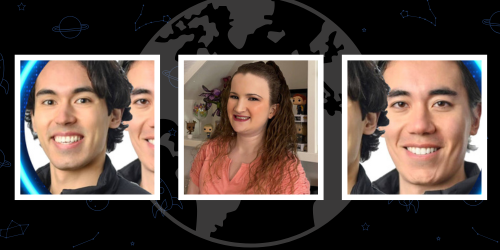
C. M. (Cathy) Rubin in Conversation with Kaylee Cordray
This month, audiences can screen AI for a Better World: The Future of Entry-Level Jobs on the Planet Classroom Network. As artificial intelligence rapidly reshapes the global workforce, traditional entry-level jobs—the first step on the career ladder—are increasingly being automated or eliminated.
In this episode, host Cathy Rubin speaks with EasyA founders Phil and Dom Kwok about how young people can adapt to a world where conventional pathways into work are disappearing. The discussion explores why existing education systems are struggling to keep pace, and how new models—focused on building, experimentation, and real-world outcomes—may redefine opportunity.
To go behind the scenes of this production, we sat down with student editor and producer Kaylee Cordray to discuss the creative process of translating complex economic shifts into a compelling visual narrative.
The Global Search for Education is pleased to welcome Kaylee Cordray.
C. M. Rubin: Kaylee, this episode tackles a major structural change—the disappearance of entry-level jobs. As an editor, how did you translate something so broad and systemic into a story that feels immediate and personal?
Kaylee Cordray: As an editor, visuals that directly reflect the subject at hand can significantly enhance a conversation’s clarity and impact. I focused on human-centered, authentic imagery—rather than broad or generic visuals—to help audiences form a stronger, more personal connection to the message. It was about making sure that while the topic was global and systemic, the viewer felt like they were looking at a story about their own future.
C. M. Rubin: In a conversation centered on AI and economic disruption, what moments felt most human to you, and how did you shape those to keep the audience engaged?
Kaylee Cordray: The story about Ash was one of the most human moments in the production. Watching an underdog succeed is deeply relatable, and it offers a sense of hope—that even as the job market evolves and can feel overwhelming, success may be closer and more attainable than it seems. I shaped the edit to highlight these personal triumphs so the technology didn’t overshadow the human spirit.
C. M. Rubin: This topic carries both urgency and complexity. How did you approach the pacing to ensure the audience feels the stakes without being overwhelmed by information?
Kaylee Cordray: Pacing is crucial in editing because it prevents the audience from clicking away due to information overload. I worked to strike a balance between detailed information and key concepts to maintain an effective and compelling flow. It’s about giving the viewer space to breathe after a complex point is made so the stakes actually land.
C. M. Rubin: Finally, Kaylee, how has your own perspective shifted on what early careers might look like for your generation?
Kaylee Cordray: The main takeaway for me is the importance of creative thinking. Your ideas and unique perspectives are more valuable than ever. Developing the creative side of your brain isn’t just a hobby anymore—it’s an essential skill for long-term success in an AI-driven world.
Thank you, Kaylee!

C. M. Rubin and Kaylee Cordray
WATCH: AI for a Better World: The Future of Entry-Level Jobs is now streaming on the Planet Classroom Network YouTube Channel.
Related posts:
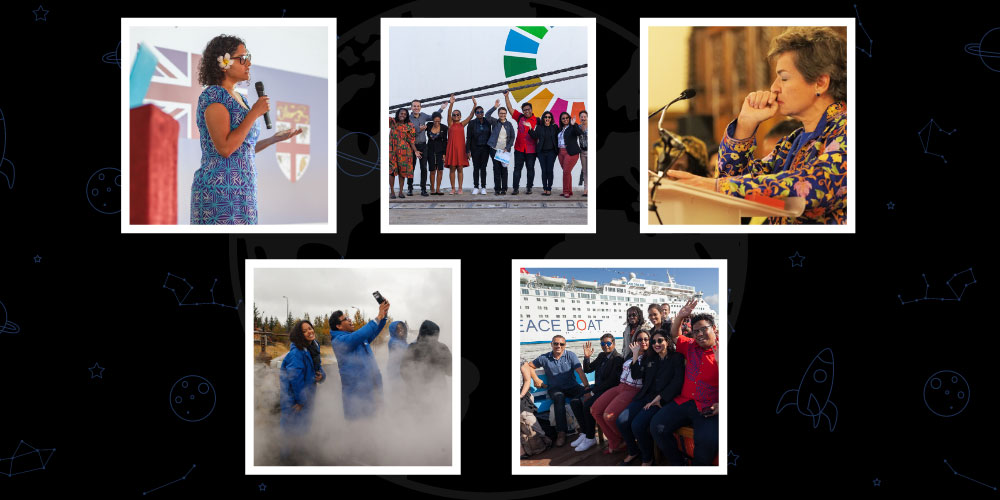 The Global Search for Education: In Peace Boat, Young Activists Fight for Their Planet
 The Global Search for Education: Climate Activist Wen Tian Interviews Hu Jiaojiao
 The Global Search for Education: Malibu Taetz on Animation and Anything Goes
 The Global Search for Education: Climate Activist Drishya Pathak interviews Florian Graichen
