
By Bridget Alvarez
In the U.S., around 92 billion pounds of edible food are wasted each year. Meanwhile, many people still struggle with hunger because surplus food often doesn’t reach communities at the right time or place. Wasted food also contributes to methane emissions, adding to the environmental burden.
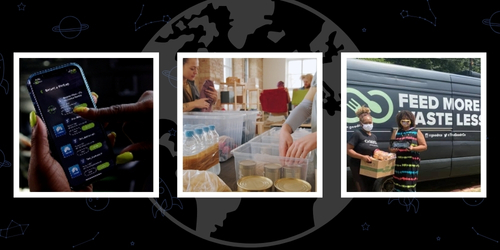
Goodr, founded by Jasmine Crowe-Houston in 2017, is designed to redirect surplus food to where it’s needed most. The platform helps partner organizations schedule pickups, track donations, and deliver food to families and communities who benefit from it. Partners can also receive tax documentation and impact reports, including meals redirected and emissions avoided. When food isn’t edible, Goodr supports organics recycling to advance zero-waste goals.
I believe this approach to fighting hunger and reducing food waste is optimistic and positive. It could be especially helpful for small businesses—and, at times, larger corporations. That said, I don’t think an app alone can solve hunger. I’m a realist, and depending on a company’s incentives, some may still try to profit from surplus food. One idea that could expand Goodr’s impact would be an optional feature allowing businesses to offer “premium” surplus food at a steep discount—similar to models like Too Good To Go—which could help reduce waste while addressing concerns about corporate behavior.
Credits: Produced and created by Kayla Lucas | Featured organization: Goodr | Founder: Jasmine Crowe-Houston
Rating: ⭐⭐⭐⭐ (4/5)

Bridget Alvarez is a student who’s studying Graphic Design at Florida International University.
