
C. M. (Cathy) Rubin in Conversation with Olivia Lugo
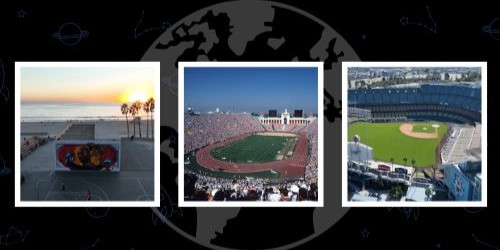
This month, audiences can screen Can Los Angeles Pull Off the 2028 Olympics? on the Planet Classroom Network. As cities around the world compete to host major international events, one question remains: can a modern Olympic Games deliver lasting benefits for both residents and visitors?
In her short film, Olivia Lugo explores Los Angeles’ ambitious preparations for the 2028 Summer Olympics. From transportation infrastructure and venue planning to sustainability initiatives and community impact, the project examines how one of the world’s largest cities is preparing to welcome athletes and spectators from across the globe.
The Olympics are about much more than sports. They are opportunities for cities to showcase innovation, culture, and long-term vision. Yet they also raise important questions about cost, accessibility, environmental responsibility, and the legacy left behind once the closing ceremonies end. Los Angeles is attempting a different approach—one built around existing venues, expanded public transportation, and a commitment to minimizing new construction.
The Global Search for Education is pleased to welcome filmmaker Olivia Lugo.
C. M. Rubin: What inspired you to choose the Los Angeles 2028 Olympics as the focus of your film?
Olivia Lugo: I have been fascinated by the Olympics since elementary school. Growing up near Centennial Olympic Park in Atlanta, I was always curious about what happens behind the scenes and wanted to understand the enormous amount of preparation required for a host city to successfully stage the Games. That curiosity became a major motivation for this project. As I dug deeper into the research and gained a greater appreciation for the Olympics’ global significance, the LA 2028 Games began to feel very real and accessible to me—I even signed up for the ticket lottery.
C. M. Rubin: What surprised you most during your research into Los Angeles’ preparations?
Olivia Lugo: I was particularly surprised by the no-build plan and the emphasis on reusing existing venues from the 1932 and 1984 Olympic Games. I was also fascinated by the concept of a “transit-first Games,” which has helped accelerate long-overdue investments in Los Angeles’ public transportation system. I hope the city continues to prioritize safe, reliable, and pedestrian-friendly transit long after the Games have concluded because those improvements can have a lasting impact on residents’ daily lives.
C. M. Rubin: What did creating this film teach you about visual storytelling?
Olivia Lugo: I learned how important it is to pair compelling visuals with a strong narrative. This was my first experience creating scripted voiceovers, and balancing visuals, music, and narration was challenging at first. It made me appreciate the value of my screenwriting background, especially how the three-act structure helps maintain audience engagement. I also became much more intentional about the information I included, using references to previous Los Angeles Olympics as a tribute to history without allowing them to overshadow the central story.
C. M. Rubin: How has this experience influenced the way you approach filmmaking and video production today?
Olivia Lugo: This project reinforced how important preparation is. I realized that if a script doesn’t flow well, the entire edit suffers. Because Olympic footage can be difficult to obtain, I knew I had to carefully plan every visual element before beginning the editing process. Creating a detailed outline and storyboard gave me greater creative freedom later when working with transitions, color correction, music, and pacing. Overall, I learned that a strong storyboard is one of the most valuable tools a filmmaker can have.
Thank you, Olivia!

C. M. (Cathy) Rubin and Olivia Lugo
WATCH: Can Los Angeles Pull Off the 2028 Olympics? is now streaming on the Planet Classroom Network YouTube Channel.
BIO:
Olivia Lugo is a multimedia intern at Planet Classroom and a recent graduate in Communications and Film Production. She has worked on a variety of film sets throughout Georgia and currently writes for an arts publication, where she primarily covers live music and cultural events. Olivia is pursuing a career in the film industry or music journalism, combining her passion for storytelling with her love of the arts. When she is not working, she enjoys watching films, running, and discovering new music.
Related posts:
 The Global Search for Education: Climate Activist Wen Tian Interviews Hu Jiaojiao
 The Global Search for Education: Malibu Taetz on Animation and Anything Goes
 The Global Search for Education: Climate Activist Drishya Pathak interviews Florian Graichen
 The Global Search for Education: Nathan Ward on Filming the Circus of Empowerment
