C. M. (Cathy) Rubin in Conversation with Kaylee Cordray
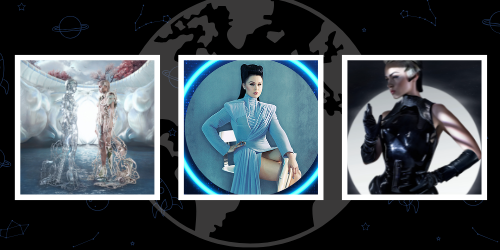
As artificial intelligence moves past routine corporate automation and into the deeply personal realm of identity, a profound psychological question faces the next generation: if machines can automate standard intelligence, what happens to human value? In this powerful episode of AI for a Better World, host C. M. Rubin sits down with world-renowned bionic pop artist and futurist Viktoria Modesta. Overturning centuries-old narratives surrounding perfection and disability, Modesta shares her extraordinary journey of treating her prosthetic limb as an innovation space rather than a limitation.
Together, they explore how to reframe AI from an existential threat into an intimate, fluid “mind prosthetic” and a vehicle for raw human emotion. For a global youth audience navigating a rapidly shifting career landscape, this conversation delivers an empowering blueprint for future agency. It demonstrates exactly why raw human perspective, lived experience, and unique creative edges will always remain humanity’s premium assets.
To go behind the scenes of this production, Planet Classroom Network filmmaker and editor Kaylee Cordray shared her unique insights on cutting this footage together and the universal messages embedded within this episode.
The Global Search for Education is pleased to welcome digital artist Kaylee Cordray.
C. M. Rubin: Kaylee, Viktoria speaks heavily about moving past the traditional “apex predator” mindset of biological perfection and human supremacy. As a young filmmaker, how did translating that massive, philosophical shift into a visual rhythm alter how you paced and structured this episode?
Kaylee Cordray: In this film, the music does much of the heavy lifting in shaping both the pacing and the final structure. No matter how strong the visuals are on screen, if the audio design doesn’t completely align with them, the overall experience can feel disjointed and incomplete for the viewer. I focused on treating the audio track as the baseline rhythm so that the philosophical shifts felt intuitive rather than jarring.
C. M. Rubin: One of the standout concepts in the interview is reframing AI not as a threat, but as an intimate, fluid “prosthetic of the mind” that simply waits for human intention. From the editor’s chair, how did you use your creative tools to make that complex concept feel accessible and grounding for a global youth audience?
Kaylee Cordray: With my background in graphic design, I am highly experienced in translating complex, abstract ideas into clear visual cues. It is absolutely essential that the B-roll aligns closely with exactly what is being discussed on camera to reinforce the message effectively. In this particular video, the subject of art is inherently universal and functions as a global language. That shared understanding made the concept much easier to communicate visually compared to more abstract or highly specialized corporate topics.
C. M. Rubin: Viktoria notes that Large Language Models (LLMs) tend to flatten information and remove all the “edges,” making uniformity the ultimate enemy of personal identity. Having spent hours cutting this footage together, what has this story taught you about the value of protecting your own creative edges and unique perspective as an artist?
Kaylee Cordray: This story was honestly one of the most compelling subjects I’ve visually illustrated so far in my career. As someone currently pursuing a BFA in Graphic Design, art has always held a special place for me. Genuine, confident creativity is rare in the world right now, which is exactly why working with such a strong creative thinker like Viktoria brought a completely unique and insightful perspective to the broader subject of AI. It reminded me that our individual anomalies are what make our work irreplaceable.
C. M. Rubin: Looking at how younger generations will navigate adulthood by 2050, the conversation finishes on an optimistic note about fluidly bridging human and machine boundaries. What is the ultimate takeaway you hope other young media builders and storytellers grasp from watching this episode?
Kaylee Cordray: I think, similar to the broader mission of the AI for a Better World series, the most important takeaway is learning to view AI strictly as a tool. It should function much like the programs we already use every day—such as Final Cut Pro or Adobe After Effects. It is a medium for expressing your unique creativity, not something that should replace your voice or create on your behalf.
Thank you, Kaylee!
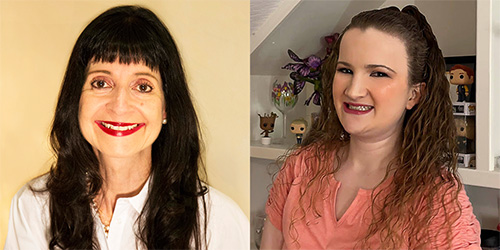
C. M. Rubin and Kaylee Cordray
WATCH: AI for a Better World: What Does It Mean to Be Human in the Age of AI with Viktoria Modesta is now streaming on the Planet Classroom Network YouTube Channel.
Related posts:
 The Global Search for Education: Climate Activist Wen Tian Interviews Hu Jiaojiao
 The Global Search for Education: Malibu Taetz on Animation and Anything Goes
 The Global Search for Education: Climate Activist Drishya Pathak interviews Florian Graichen
 The Global Search for Education: Nathan Ward on Filming the Circus of Empowerment
